For brands considering sunglasses as a category extension, design is often where the conversation starts. But in eyewear, design is only a small part of the equation.
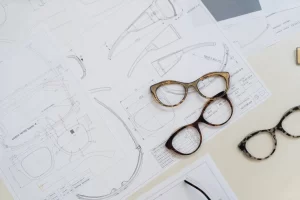
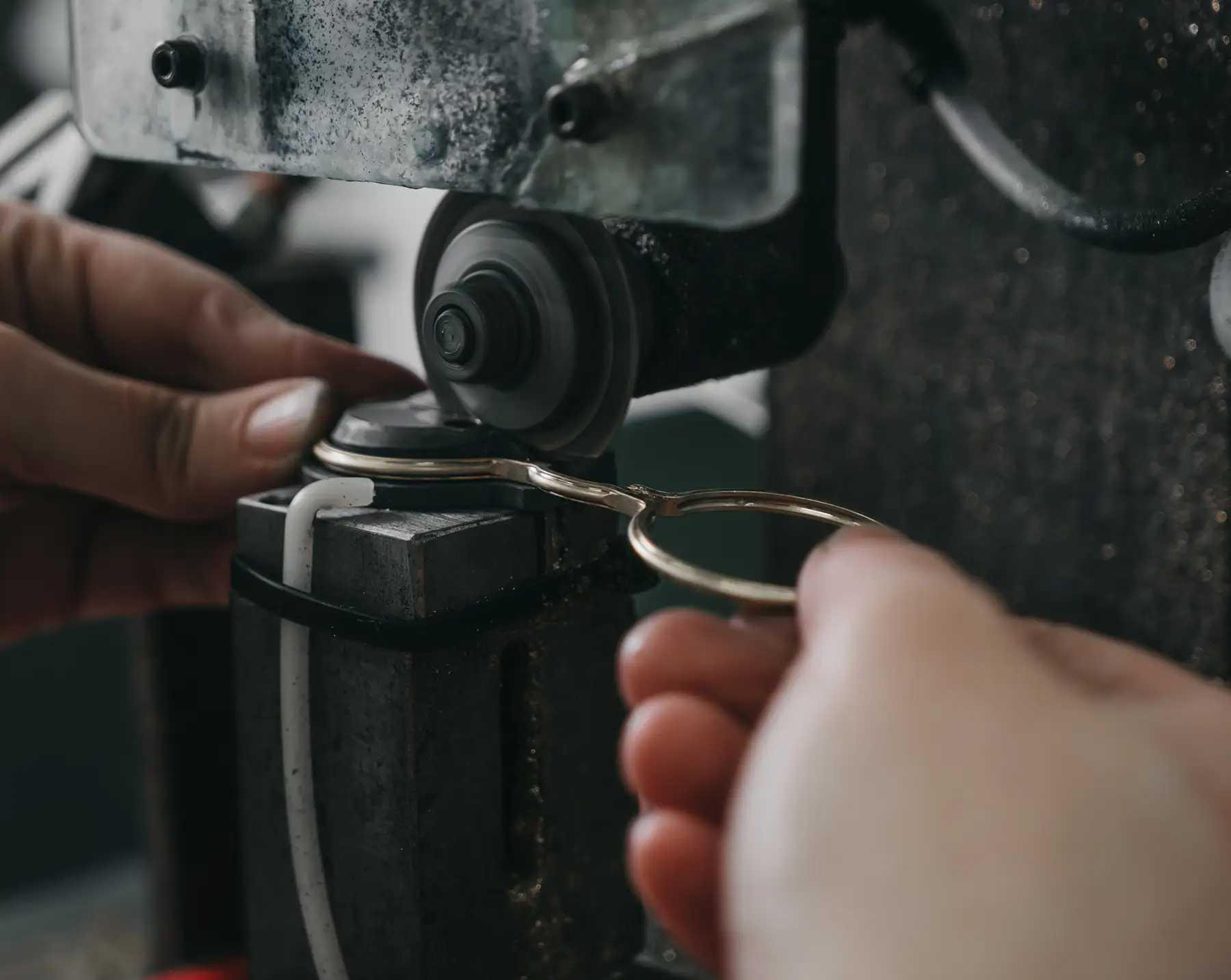
Eyewear manufacturing is a highly specialised, multi-disciplinary process that combines engineering, materials science, production planning and quality control. Underestimating this complexity is one of the most common reasons eyewear projects fail to meet expectations – both commercially and aesthetically.
Before committing to eyewear, it’s worth understanding what the process really involves.
Eyewear Is an Engineered Product – Not Just an Accessory
Unlike many fashion accessories, sunglasses are an engineered product. Every frame must be structurally sound, comfortable to wear and capable of holding lenses securely over time.
This involves:
- Precise frame construction and component tolerances
- Hinge engineering and durability testing
- Balancing weight, flexibility and strength
- Ensuring consistency across production runs
Small changes in design can have significant implications for performance, comfort and manufacturability.
Frame Fit Is Critical – and Technically Demanding
Fit is one of the most overlooked aspects of eyewear development.
A well-designed frame must:
- Sit correctly across a wide range of face shapes
- Balance lens size, bridge width and temple length
- Maintain comfort during extended wear
- Perform consistently across different materials
Unlike apparel, eyewear offers little room for error. If the fit isn’t right, the product simply won’t sell – regardless of how strong the brand or design may be.
Managing MOQs and Material Commitments
Eyewear manufacturing requires early and often significant material commitments.
Brands need to plan for:
- Minimum order quantities (MOQs) on frames and components
- Lens specifications and coatings
- Colour consistency across batches
- Packaging and finishing elements
These decisions must be made well in advance, often before final sales forecasts are confirmed. Without careful MOQ management, brands risk overstock, unnecessary cost or limited flexibility.
Longer Lead Times Than Most Fashion Categories
The eyewear production timeline doesn’t align neatly with traditional fashion cycles.
Key stages include:
- Engineering and prototyping
- Fit testing and refinement
- Material sourcing and purchasing
- Tooling and production
- Quality control and compliance
Each stage builds on the last, meaning delays early in the process can impact the entire launch timeline. Planning and coordination are essential.
Why Specialist Expertise Matters
The breadth of eyewear manufacturing – spanning engineering, fit, materials, MOQs and timelines – means it’s not a category that can be approached casually.
At SOLMAR Eyewear, we support brands through every stage of the eyewear development process, from concept and design to engineering, production, quality control and delivery.
Our role is to manage the complexity, so brands can focus on building products that feel seamless, credible and commercially sound.
Final Thought
Eyewear can be a powerful brand extension, but only when the complexity behind it is properly understood and managed.